If youve been suffering from depression, confusion, fatigue, diarrhea or constipation, scaly skin, or abdominal cramps, you may have a vitamin B12 deficiency
Week 1 During the first week, many people begin noticing: Improved control around food Less desire to snack Reduced emotional eating Fewer cravings for high-calorie foods Week 2 By week two, appetite suppression often becomes more consistent
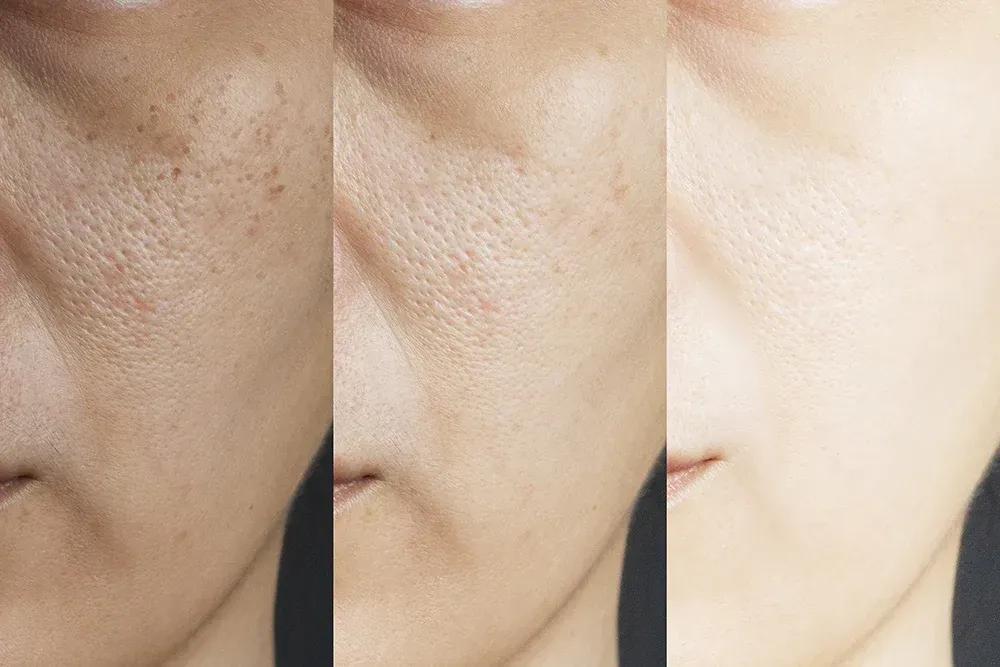
The combination group had the most significant response, but all experienced significant reductions in skin luminosity differences between hyperpigmented and normal skin areas.Similarly, Handog et al found oral combination therapy with vitamins A, C, E, and procyanidin effective for treating Filipino women with melasma

Replication Failures and Heterogeneity Unlike most research peptides studied primarily in animal models, oxytocin has been extensively tested in human clinical trials yet results have frequently not replicated: The largest powered clinical trial in autism (SOARS-B, n=290) found no significant benefit on social function despite positive signals in earlier small studies Multiple pre-registered replication attempts of single-dose social cognition effects have returned null results Meta-analyses report significant heterogeneity across studies, with effect sizes varying substantially by population, dose, sex, and outcome measure Oxytocin receptor gene (OXTR) polymorphisms appear to significantly moderate responses, suggesting population genetic stratification may be required for consistent effects Mechanistic Understanding Gaps Fundamental questions about how intranasal oxytocin produces behavioral effects remain unresolved: The central delivery question Whether meaningful concentrations of intranasally delivered oxytocin reach relevant brain areas in humans has not been definitively established Whether behavioral effects are driven by direct central receptor binding, indirect peripheral mechanisms, or stimulation of endogenous hypothalamic oxytocin release remains debated Lack of an approved PET radiotracer for OXTR means receptor occupancy cannot be directly measured in humans Individual variation in nasal anatomy significantly affects drug deposition and likely contributes to response variability Long-Term Safety Considerations Longer-term safety data from chronic administration studies has raised some concerns requiring further investigation: One animal study in prairie voles found that chronic intranasal oxytocin impaired partner preference formation, suggesting possible negative effects on social bonding with extended use The effects of long-term OXTR downregulation from repeated exogenous administration are not well characterized in humans Interaction potential with psychiatric medications is not systematically studied Effects on pediatric OXTR development with repeated dosing in children remain inadequately characterized Regulatory & Competitive Sport Status FDA Position Oxytocin occupies a unique regulatory position compared to most research peptides: FDA-approved as an injectable medication (brand name Pitocin) for specific obstetric indications including labor induction and postpartum hemorrhage control Compounded intranasal formulations are not FDA-approved for safety or efficacy under any indication Intranasal oxytocin may be prescribed off-label through compounding pharmacies under Section 503A of the Federal Food, Drug, and Cosmetic Act, but this is distinct from FDA approval Active investigational new drug (IND) applications are in progress, including a Phase 2 trial of potentiated intranasal oxytocin (TNX-1900) for chronic migraine, cleared by FDA for initiation For research purposes outside of clinical care, oxytocin is available for laboratory use only with appropriate institutional oversight WADA Status Oxytocin does not appear on WADAs current Prohibited List as a specifically prohibited substance